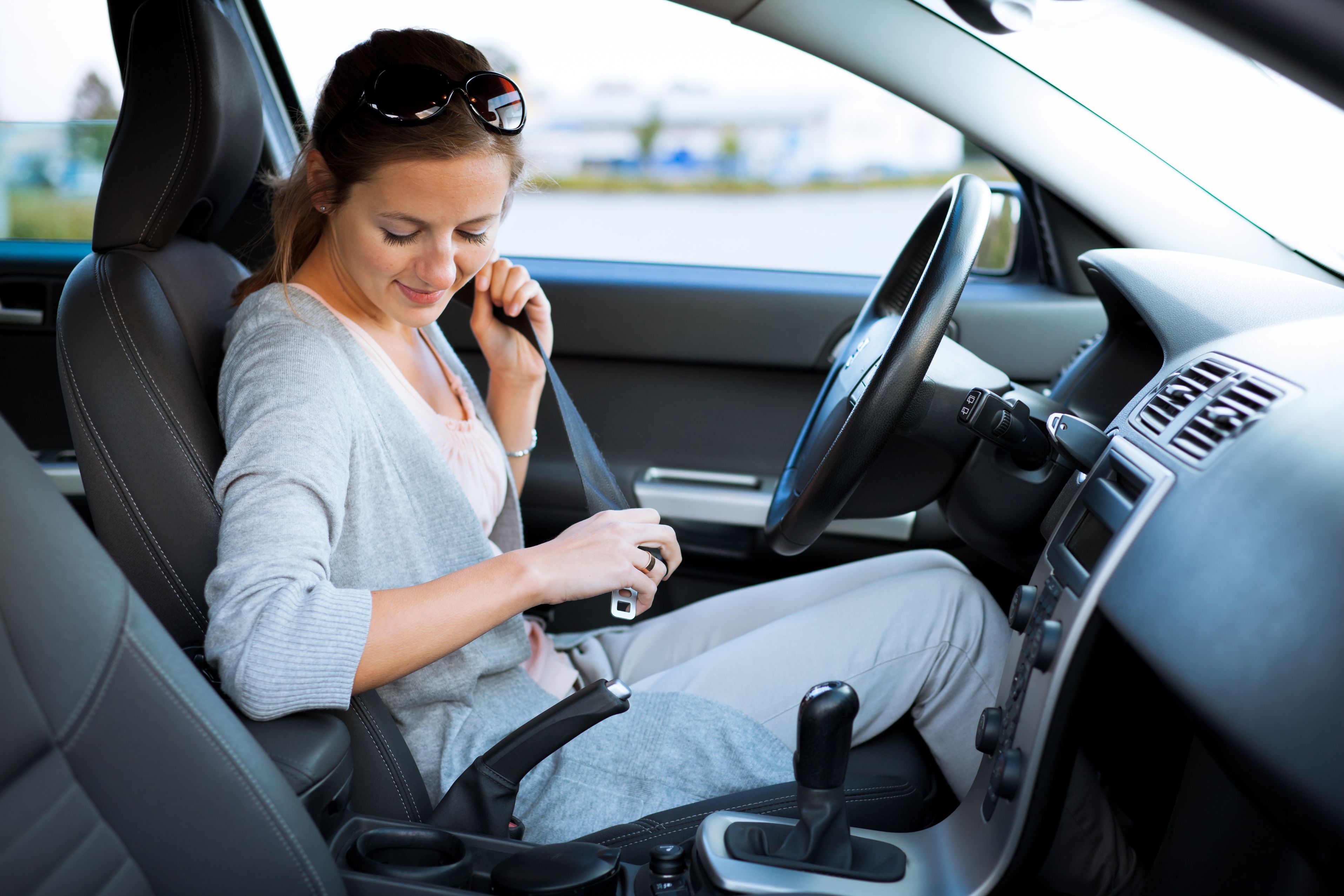
The Importance of Seat Belts in a Car - Eloson Driving School
Road safety is everyone's responsibility, and one of the simplest yet most effective ways to protect yourself while traveling is by wearing a seat belt. Despite advances in vehicle technology, seat belts remain the first line of defense against serious injuries and fatalities during road accidents.
What Is a Seat Belt?
A seat belt is a safety device designed to secure the driver and passengers in their seats during a collision, sudden stop, or sharp turn. It helps prevent occupants from being thrown against the interior of the vehicle or ejected from it during an accident.
Why Seat Belts Are Important
1. Save Lives
Seat belts significantly reduce the risk of death in road crashes. According to road safety experts, wearing a seat belt can cut the risk of fatal injury by nearly half for drivers and front-seat passengers.
2. Prevent Serious Injuries
During a collision, the human body continues moving at the vehicle's speed. Seat belts restrain occupants and distribute crash forces across stronger parts of the body, reducing injuries to the head, chest, and spine.
3. Prevent Ejection from the Vehicle
Passengers who are not wearing seat belts can be thrown out of a vehicle during an accident. Ejection greatly increases the likelihood of severe injury or death.
4. Protect Other Passengers
An unbelted passenger can become a projectile during a crash, causing injury to other occupants. Wearing a seat belt protects everyone inside the vehicle.
5. Helps Airbags Work Effectively
Airbags are designed to work together with seat belts. Without a seat belt, an occupant may be out of position when the airbag deploys, leading to severe injuries.
6. Compliance with Traffic Laws
In Nigeria and many countries around the world, wearing a seat belt is a legal requirement. Failure to do so can result in fines and penalties from traffic enforcement agencies.
Common Excuses for Not Wearing Seat Belts
Some people believe they do not need seat belts for short trips or when driving at low speeds. However, accidents can occur anywhere and at any time. A collision at even moderate speeds can cause serious injuries if occupants are not restrained.
Safety Tips
- Always wear your seat belt before starting the engine.
- Ensure the belt fits snugly across your chest and lap.
- Never place the shoulder belt behind your back or under your arm.
- Ensure all passengers, including those in the rear seats, wear seat belts.
- Check seat belts regularly for wear and damage.
Conclusion
A seat belt is not just a piece of equipment; it is a life-saving device. Making seat belt use a habit can mean the difference between life and death in an accident. At Eloson Driving School, we encourage all drivers and passengers to buckle up every time they enter a vehicle. Safe driving begins with responsible habits, and wearing a seat belt is one of the most important.
Remember: Click It, Buckle Up, Stay Alive.

Ejikeme Eloka Augustine
Content Development OfficerRelated Posts
Benefits of Business Registration in Nigeria
Jun 12, 2026